
Ziac (Bisoprolol Fumarate, Hydrochlorothiazide)
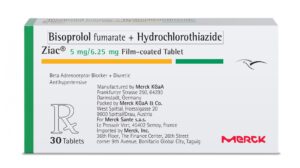
Ziac (Bisoprolol Fumarate, Hydrochlorothiazide)
Ziac combines the benefits of Bisoprolol Fumarate with Hydrochlorothiazide, providing a dual-action treatment for high blood pressure. Ziac effectively decreases blood pressure by combining Bisoprolol’s heart rate-lowering properties with Hydrochlorothiazide’s fluid-reducing actions, lowering the risk of stroke and heart attack.
Why Choose Ziac (Bisoprolol Fumarate, Hydrochlorothiazide)?
- Dual-Action Formula: Controls blood pressure through two methods, allowing for effective hypertension management.
- Improved compliance: Combines two drugs into a single pill, simplifying the treatment routine.
- Versatile Dosage Options: Available in a variety of strengths to fit unique patient needs and allow for dosage adjustments.
- Reduces the risk of cardiovascular events: Reduces the risk of problems caused by high blood pressure, such as stroke and heart disease.
How to Use Ziac (Bisoprolol Fumarate, Hydrochlorothiazide)?
- Take Ziac precisely as directed by your healthcare provider.
- Can be taken with or without a meal.
- It is critical to continue taking Ziac even if you are feeling fine because high blood pressure frequently has no symptoms.
- Do not stop using this medication without first visiting your doctor.
Important Safety Information about Ziac
- Ziac is not suitable for everyone. Do not use if you are allergic to bisoprolol, hydrochlorothiazide, or any of the other substances in the product.
- Before using Ziac, tell your doctor about your medical history, especially if you have kidney or liver problems, diabetes, or gout.
- Before using this product, pregnant or breastfeeding women should check with their healthcare provider.
Fact Table for Ziac
| Generic Name | Bisoprolol Fumarate and Hydrochlorothiazide
|
| Brand Name
|
Ziac |
| Drug Class | Beta-blocker (Bisoprolol Fumarate); Thiazide Diuretic (Hydrochlorothiazide)
|
| FDA Approval
|
Yes (for the treatment of hypertension)
|
| Indications | Management of hypertension (high blood pressure)
|
| Mechanism of Action
|
Bisoprolol reduces heart rate and contractility; Hydrochlorothiazide increases the excretion of sodium and water |
| Dosage Forms |
Oral tablets |
| Common Dosages
|
Varies by the patient; typically once daily
|
| Key Side Effects | Dizziness, fatigue, nausea, slow heartbeat, diarrhea, hypotension |
| Contraindications | Severe chronic heart failure, acute heart failure, cardiogenic shock, severe bradycardia, severe renal or hepatic impairment, hypersensitivity to components
|
| Special Considerations | Monitor electrolytes and renal function; caution in patients with diabetes, gout, or asthma/span> |
| Pregnancy Category | Consult your healthcare provider
|
| Alcohol Interaction | Alcohol may increase certain side effects of Ziac; consult with a healthcare provider
|
| Possible Drug Interactions
|
May interact with other blood pressure medications, lithium, non-steroidal anti-inflammatory drugs (NSAIDs), certain diabetes medications
|
| Storage Instructions
|
Store at room temperature, away from moisture and heat
|
Common Side Effects of Ziac
Like all medications, Ziac (Bisoprolol Fumarate, Hydrochlorothiazide) can cause side effects, although not everybody gets them. Understanding these side effects can help you use this medication safely and effectively.
- Dizziness
- Fatigue
- Nausea
- Slow heartbeat
- Diarrhea
- Hypotension
If you experience any side effects, discuss them with your healthcare provider. They can offer advice and may adjust your treatment if necessary. Report any severe or unexpected side effects immediately.
How Can You Buy Ziac (Bisoprolol Fumarate, Hydrochlorothiazide)?
You can order Ziac (Bisoprolol Fumarate, Hydrochlorothiazide) using these methods on our website:
- Order Online
- Order by Phone
- Order by Fax
- Order your refills
Visit our How to order page.



 OZEMPIC: Huge price drop limited stock, limited time opportunity.
  MOUNJARO (12.5mg): Save up to 70% Use code MN12MG for an additional 10% off for 12.5mg. Chat now to order and save up to $90 or